
So you’ve decided you want to do “something” for your stress. Good for you, honestly. But then you open your search bar and you’re hit with a wall of options — box breathing, mindfulness meditation, sophrology, coherent breathing, body scans… and suddenly you’re more stressed than before you started. Sound familiar?
Here’s the thing: there’s no single “best” technique. What works brilliantly for your coworker who swears by 10-minute morning meditations might do absolutely nothing for you. And that’s not a failure on your part — it just means you haven’t found your match yet. Let’s fix that.
First, What’s Actually the Difference Between These Three?
People throw these terms around like they’re interchangeable. They’re not.
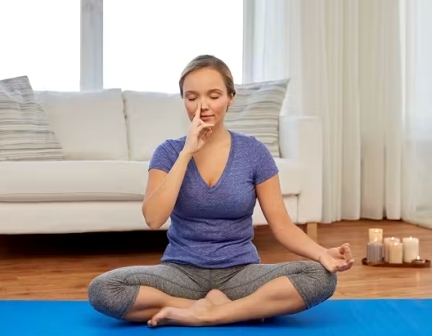
Breathing techniques (like coherent breathing or box breathing) are the most physical of the three. You’re directly manipulating your nervous system through inhale/exhale rhythm. No mysticism, no philosophy — just physiology. Breathe in for 4, hold for 4, out for 6, and your heart rate genuinely starts to drop within minutes. There’s real science behind this: it activates the vagus nerve and shifts you out of “fight or flight” mode.
Meditation, especially mindfulness meditation, is more about training attention. You’re not trying to control anything — you’re observing. Thoughts, sensations, the way your foot itches at the worst possible moment. The goal isn’t to empty your mind (nobody can actually do that, whatever Instagram tells you) but to notice when your mind wanders and gently bring it back.
Sophrology sits somewhere in between. It’s a French-born method — created in the 1960s by neuropsychiatrist Alfonso Caycedo — that blends breathing, light physical movement, and visualization. It’s a bit more structured than meditation, often guided, and tends to feel more “active” than sitting still with your thoughts.
So Which One Fits Your Profile?
If Your Mind Races Constantly
If you’re the type who lies in bed replaying that awkward conversation from 2019, straight meditation might frustrate you at first. Sitting with an overactive mind without any structure can feel like torture, honestly. Sophrology might actually suit you better here — the guided visualizations give your brain something concrete to hold onto instead of just… nothing.
If You Need Something Fast, Like Right Now
Panic rising before a meeting? A breathing technique is your best friend. It’s the fastest of the three to produce a measurable effect — you can feel your shoulders drop within two or three minutes. No need for a quiet room or twenty minutes free. You can do it at your desk, in a bathroom stall, in your car before walking into that appointment you’re dreading.
If You’re Dealing with Chronic Stress or Sleep Issues
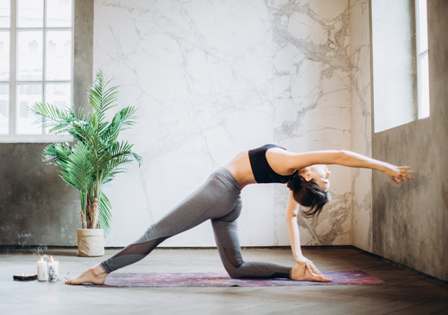
This is where consistency matters more than the “right” technique. Mindfulness meditation, practiced regularly (even just 10 minutes a day), has the strongest research backing for long-term stress reduction and improved sleep quality. It’s not the quickest fix, but it tends to build resilience over weeks, not just calm in the moment.
If You Like Structure and Guidance
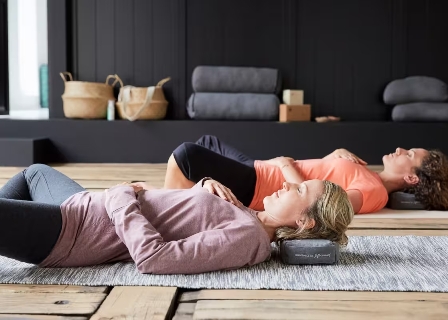
Some people find open-ended meditation vague — “just observe your thoughts” can feel like being handed a map with no roads on it. If that’s you, sophrology sessions, which usually follow a clear sequence (tension and release, breathing, visualization), might feel more approachable. It’s less about spiritual depth and more about a practical protocol.
Can You Just… Combine Them?

Yes, and honestly, most people who stick with a wellness practice long-term end up doing exactly that. A few slow breaths to calm the body, then a short meditation to settle the mind — it’s not against the rules. There’s no certification police checking whether you’re doing it “purely.” What matters is what actually gets you to show up again tomorrow.
A Quick Word of Caution
None of these techniques are a substitute for professional support if you’re dealing with a diagnosed anxiety disorder, depression, or a health condition that needs medical follow-up. They’re excellent complementary tools — genuinely useful ones — but if stress or anxiety is significantly affecting your daily life, it’s worth talking to a doctor or a mental health professional about it too.
The Real Takeaway
Stop looking for the “correct” answer among breathing, meditation, and sophrology — there isn’t one. There’s only the one you’ll actually practice more than twice. Try each for a week. Notice how your body responds, not just your mind. That’s your answer, not whatever the internet tells you is trendy this month.